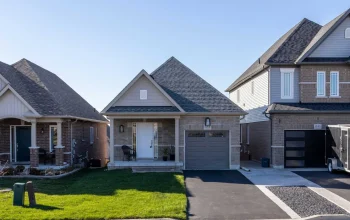
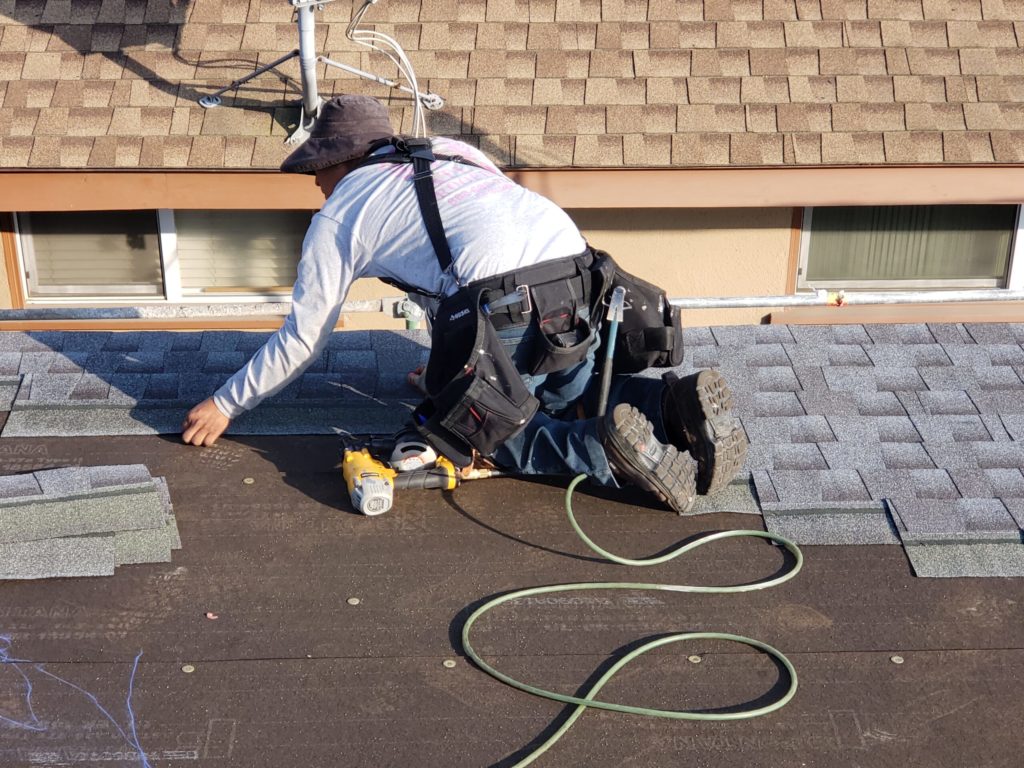
A roof can look sound while hiding costly weaknesses. Age alone cannot explain its actual condition. Flashing, drainage, ventilation, and surface wear matter too. Owners can Learn More before deciding where money should go. A careful review connects present defects with future maintenance needs. That view helps separate sensible repairs from premature replacement. It also keeps short-term savings from creating larger bills later.
Roof Condition Shapes Every Spending Choice
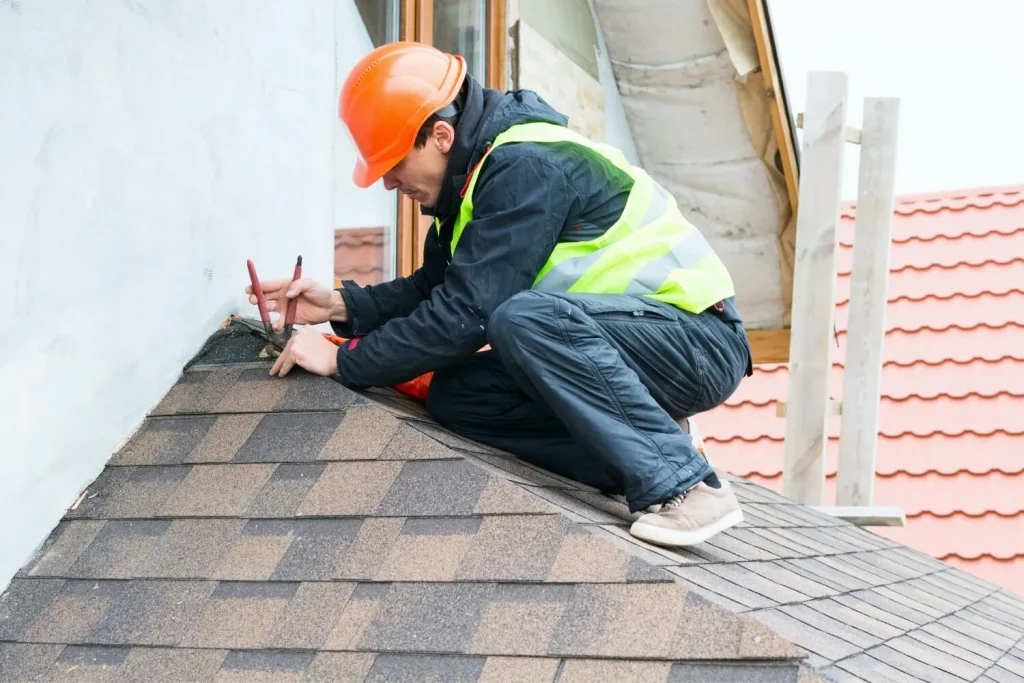
Roof age offers context, yet condition tells more. A recent installation may still have damaged flashing. An older covering may remain useful after repairs. During inspection, attention should reach vulnerable joints and edges. Drainage paths deserve equal consideration because trapped moisture spreads damage. From there, repair priorities become easier to establish.
Useful checks can include these practical points:
- Inspect flashing around vents and roof edges.
- Check gutters for restricted water movement.
- Examine exposed decking for moisture damage.
- Review ventilation near enclosed roof areas.
Each finding carries a different financial consequence. A loose fitting needs less planning than damaged decking.
Which Problems Should Receive Attention First?
Water entry deserves prompt attention when damage remains active. Small openings can expose timber to repeated moisture. Over time, that exposure can weaken surrounding materials. Yet not every visible flaw demands full replacement.
Priority should rise when a defect affects:
- Structural areas beneath the roof surface.
- Rooms showing repeated signs of water entry.
- Drainage routes carrying heavy rainfall away.
- Connections exposed to frequent wind pressure.
This approach keeps spending focused on actual risk. It also gives useful repairs room to protect sound materials.
Long-Term Costs Change Repair Decisions
A low repair quote can seem attractive at first. Repeated visits, however, may alter that calculation. Material age also affects future maintenance requirements. When several areas need attention, replacement can become more practical. Owners can Learn More when comparing repair costs against future upkeep. That comparison becomes clearer when expenses are viewed across several seasons.
Can Drainage Affect Roof Protection?
Water movement often determines how long materials remain dependable. Gutters, valleys, and downspouts guide rainfall away from vulnerable sections. When flow becomes restricted, moisture can linger against weak points. Correcting drainage may therefore protect an otherwise repairable surface. The cost can remain modest compared with repeated leak treatment.
Replacement Timing Can Prevent Larger Disruption
Replacement becomes sensible when deterioration reaches several roof sections. Repeated patching can also make future work harder. A useful budget should account for access, labor, and disposal needs. Those factors become important when repairs happen year after year.
A planned replacement offers clearer financial control. It also gives an owner time to select suitable materials. Waiting for widespread failure removes much of that flexibility.
Good Planning Begins With Specific Evidence
Roof decisions become clearer when each concern has evidence behind it. A flashing defect calls for a different response than surface decay. That distinction keeps useful materials from being discarded too early. It also prevents temporary fixes from becoming permanent habits. A careful assessment can therefore change the meaning of repair spending. Instead of treating roofing as an isolated expense, an owner can view each dollar as protection for the structure beneath. The small flashing repair matters beyond price because it protects decking from avoidable moisture.