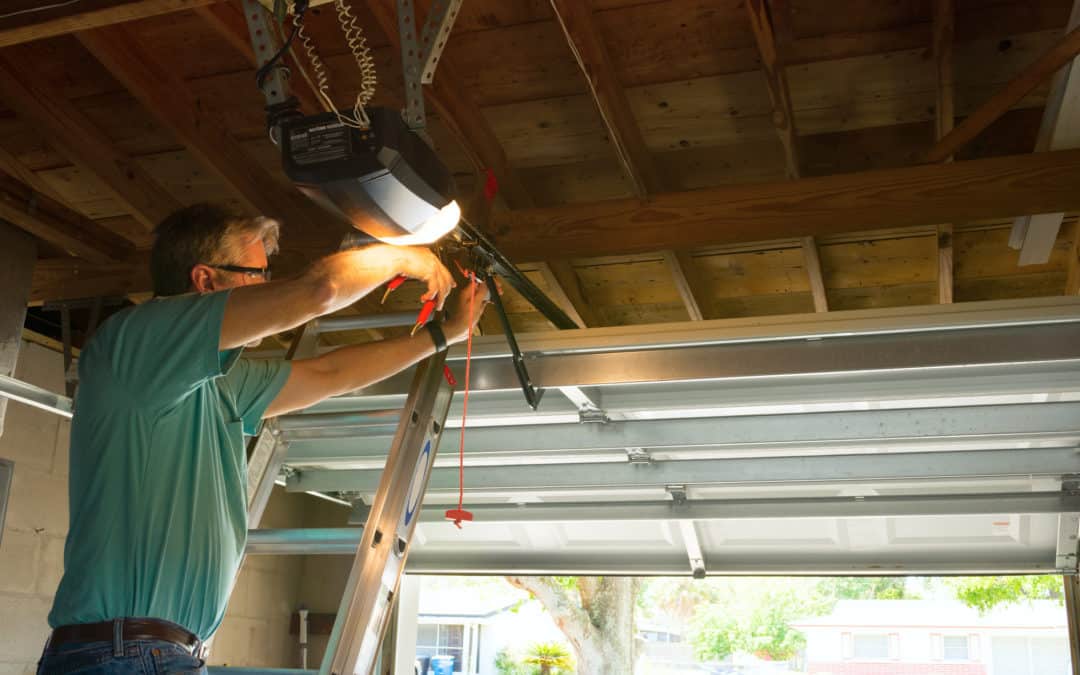
A well-working entry system depends on the correct placement of its connected sections. When parts sit evenly, movement becomes quiet,steady, andreliable. Poor positioning can make noise,rough motion,and early wear on tracks, rollers, and springs. Small changes frequently prevent larger mechanical trouble later. Many property owners oversee these details until movement becomes rough and difficult to manage. Learning these basics helps protect the structure, improve reliability, and extend service life. Learn more about how balanced positioning supports safer motion and reduces strain on supporting components.
Balanced Sections Improve System Stability
Proper section positioning keeps the lifting system balanced so movement stays quiet, stable, and reliable while reducing strain on tracks, rollers, and springs, which helps the whole structure move without sudden resistance.
Even Positioning Reduces Mechanical Stress
Correct placement distributes weight evenly across guiding components, preventing pressure buildup on one side, which protects moving parts, supports durability, and maintains steady motion during daily use.
Correct Setup Prevents Structural Wear
When sections stay level, the guiding tracks’ rollers operate smoothly, reducing rubbing and bending vibration, which prevents early damage, protects materials, and preserves long-term mechanical stability.
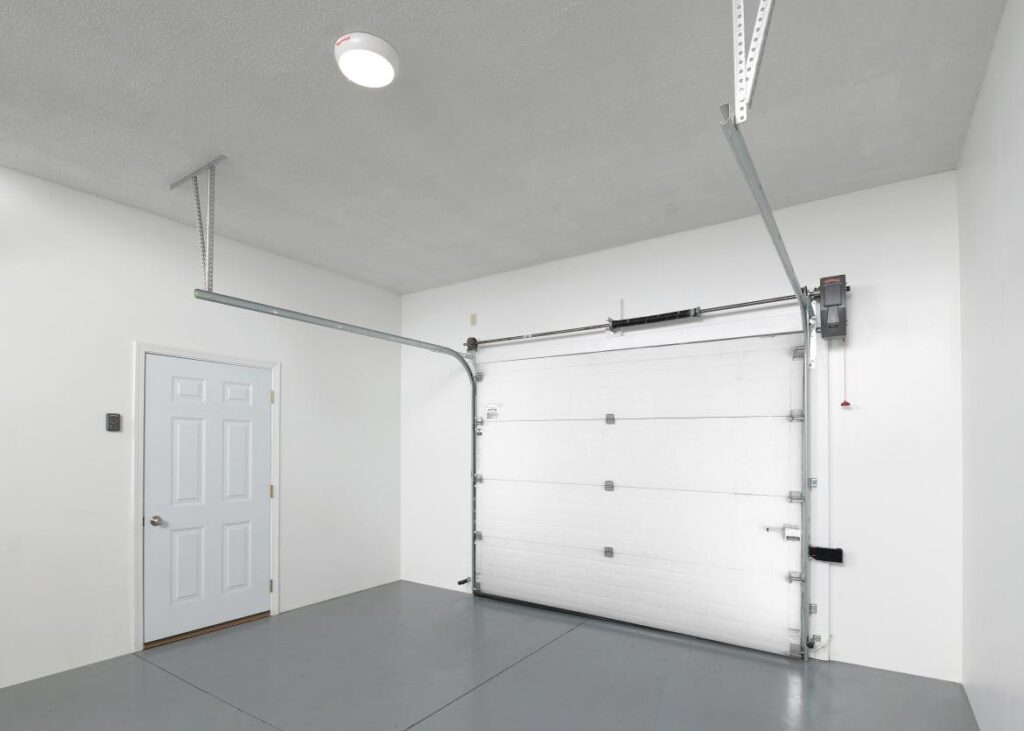
Smooth Movement Supports Quiet Performance
Well-arranged structural pieces travel along tracks with controlled motion, which lowers friction, prevents shaking, and keeps sound levels low during opening and closing cycles.
Routine Inspection Maintains Reliable Motion
Regular checks find shifting or uneven sections early, which aids maintain stable motion, prevents excessive vibration, andguards structural components from avoidable mechanical pressure.
Small Misalignment Causes Major Issues
Minor uneven placement slowly increases strain on the tracks, rollers, and springs, which leads to rough lifting, sound vibration, and higher maintenance effort over time.
Proper Maintenance Supports Consistent Performance
Scheduled inspection, adjustment, and lubrication keep the lifting structure balanced, which improves reliability, reduces mechanical stress, and ensures predictable movement throughout frequent daily use.
Simple Steps Maintain Structural Balance
Basic care habits keep the lifting structure stable, reduce strain, and improve reliability over time.
- Inspect connected sections regularly to confirm even placement, which helps detect shifting early and prevents heavy stress on moving components.
- Clean guiding tracks often to remove dust debris buildup, which allows smoother movement and reduces friction within supporting mechanical parts.
Stable structure placement protects lifting mechanisms from damage while ensuring reliable movement during everyday use. Balanced positioning reduces friction, limits pressure on supporting components, and helps maintain steady motion over time. Anyone responsible for maintaining this structure should monitor movement patterns carefully and act quickly when irregular motion appears. To maintain dependable performance and protect equipment lifespan.Learn more about keeping structural sections balanced through regular inspection and maintenance habits.